

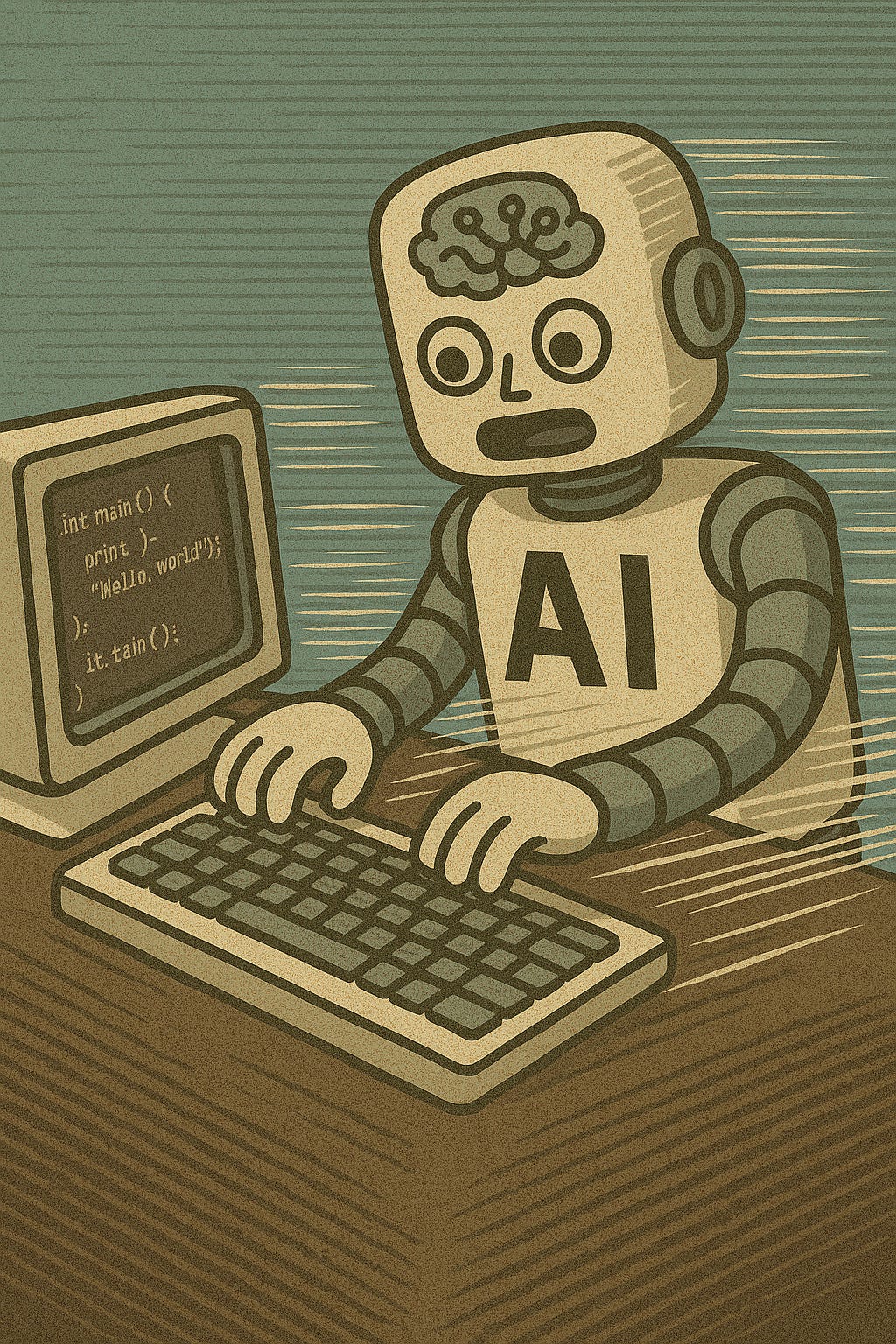
When your no-code or AI-generated project first works, it feels like magic. The form submits, the automation fires, the dashboard updates you built something from scratch, and it runs. That early success is the “vibe” phase: fast, creative, and full of energy.
But then the cracks start to show. A workflow breaks. Data disappears. Something that worked yesterday doesn’t work today. That’s the wall between a prototype and a production system. One is proof that the idea can work; the other is proof that it will keep working.
What “Production” Really Means
“Production” isn’t a tech buzzword. It simply means the version real people use every day your customers, your clients, or your team.
A production-ready system is more than functional. It’s built to handle daily life. It should be:
Stable: It doesn’t break under normal use.
Secure: It keeps information protected and access controlled.
Maintainable: It can be updated or fixed without collapsing.
Scalable: It grows smoothly as usage increases.
Think of your prototype as a pop-up tent. It goes up fast, it works in calm weather. But if you want to live in it or invite others in you’ll need solid walls, wiring, and plumbing. That’s what production adds: structure and safety.
Why Prototypes Break Down
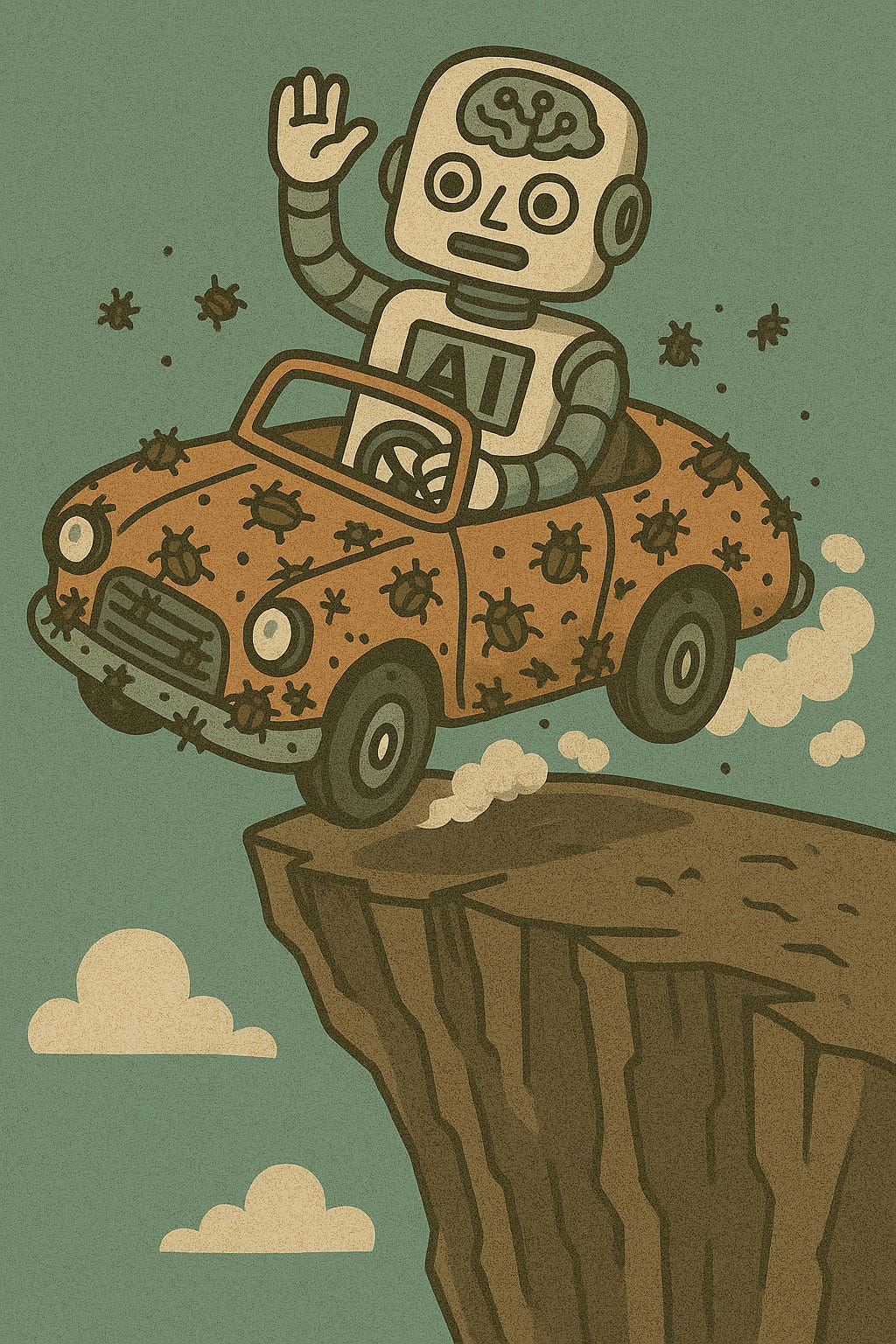
Prototypes and AI-generated builds are designed for speed, not endurance. They’re often stitched together quickly to prove an idea. But when you keep using them as-is, they start to strain.
Typical problems include brittle automations, duplicated logic, or missing safety checks. Sometimes the app depends on one person’s account or a hidden setting no one else knows about. When that person leaves or a key expires, everything stops.
AI-generated code adds another layer of risk. A 2025 report found that 45% of AI-generated code contained serious security vulnerabilities, even when it appeared correct (Security Today, 2025). Another study found over half of AI-written programs had exploitable flaws (arXiv, 2025).
AI doesn’t mean unsafe code it means unchecked assumptions. It’s still your job to confirm the logic and secure the results.
From Idea to Infrastructure
Turning something quick and clever into something dependable isn’t about scrapping your work it’s about strengthening it.
Clean the structure. Organize files, remove duplication, and make sure every part has a clear purpose.
Add tests. Simple checks confirm that updates don’t quietly break something else.
Secure the system. Protect credentials, lock down access, and review how data moves.
Add monitoring. Set alerts so issues are caught early, not by accident.
It’s like renovating a creative DIY project into a safe, lasting space. The vision stays; the craftsmanship improves.
The Hidden Costs of Staying in “Vibe Mode”
A fast, flexible build is great until you rely on it. Then every fragile link becomes a liability. A few real-world examples:
A startup lost weeks of data after an AI-generated script overwrote records without backup.
A client portal failed when an unpaid tool subscription expired.
A company couldn’t fix a broken automation because no one knew how it was originally wired.
These aren’t dramatic failures they’re the normal friction of growth. The sooner a system gets structure, the less costly those moments become.
Why Technical Oversight Still Matters
AI and no-code tools make creation easier, but getting something into production still requires technical awareness. That’s because production isn’t about making it run once it’s about making it run safely, every time.
Maintainability: AI-generated systems often include redundant or unclear logic that breaks when edited.
Security: Models don’t understand context. They can leave data exposed or use outdated libraries.
Debugging: When something fails, someone still needs to trace the cause and fix it properly.
AI can generate a working structure, but it can’t make promises about stability. That’s where technical expertise yours or a developer’s keeps things sound.
From Vibe to Viable
Your prototype proved what’s possible. Turning it into production proves what’s sustainable. That next step adding structure, tests, and oversight is how good ideas grow into reliable systems.
The creativity that got you started doesn’t go away. It becomes the foundation for something that lasts. Keep the speed. Keep the energy. But keep a human and a solid plan in the loop.