

The Vibe
Vibe coding has made it possible for almost anyone to build something useful even without a traditional programming background.
Describe what you want, drag a few blocks, paste in an API key, and suddenly it’s all connected: messages get sent, forms submit, data flows. It feels effortless and that’s what makes it powerful.
But speed has a shadow. In the rush to make something work, it’s easy to give away too much like a secret key, a client’s data, or a private document without realizing how exposed it just became.
AI tools and no-code platforms are incredible assistants, but they’re not private vaults. The same openness that makes them creative also makes them risky if you’re not careful.
This isn’t a story about slowing down. It’s about building safely while keeping the vibe alive.
Why Security Still Matters Even for Small Projects
A lot of creators think security is only for big companies with compliance departments and legal teams. But most vibe-built projects dashboards, automations, chatbots, or internal tools touch real information: customer names, emails, payment records, or login details.
Even something as small as a private spreadsheet or an internal Slack integration carries value. If it’s connected to an account or has access to data, it’s worth protecting.
Think of it this way: your workflow might not be a bank vault, but it’s still full of keys. The moment one slips out, someone else could walk in through the same door.
The Golden Rule: Never Give AI Your Keys
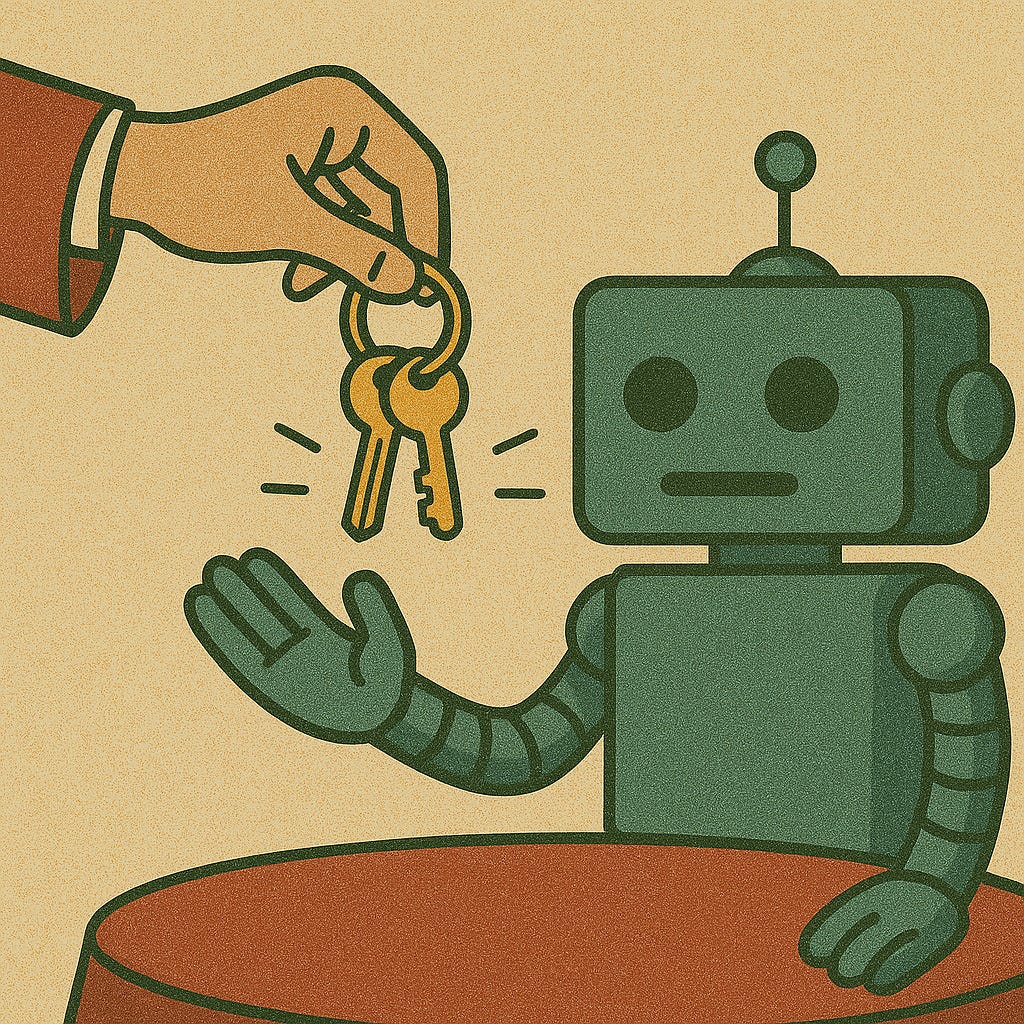
If you remember one thing from this post, make it this: never share API keys, passwords, or tokens with any AI tool.
Not in a chat window. Not in a code example. Not in a screenshot.
An API key is like a master key that opens every room in your digital house your apps, data, and services. Once you give it away, you can’t control where it goes. Some AI tools store conversations to improve future results; others send them to third-party servers. Either way, your keys don’t belong there.
If you need help fixing a workflow, show the pattern, not the credentials. Replace real keys or links with fake ones before asking for help. That one small habit will save you from huge headaches later.
A recent Cloud Security Alliance report warned that even anonymized code shared with AI models can reveal system details that attackers might exploit. The safest rule is simple: if it unlocks something, don’t share it.
What Counts as a “Secret”
In vibe coding, secrets hide in plain sight. They’re not just passwords they’re the invisible bits that make everything work.
If your workflow uses a connection to Airtable, Stripe, Gmail, or OpenAI, there’s a secret key under the hood. Sometimes it’s copied from one tab to another; sometimes it’s built into a script or plugin.
The danger comes when we forget how sensitive those keys are. Paste one into an AI chat to troubleshoot a bug, and you’ve just exposed the same access you rely on to run your system.
It’s not about paranoia it’s about awareness. A single key can act as you, send payments, or read private data. Treat it like the digital version of your signature.
How Leaks Happen in Everyday Building

Leaks don’t always come from hackers. They come from creative people moving fast.
Someone pastes a workflow into ChatGPT to “see what’s wrong.”
A collaborator posts an automation script in a shared forum.
A test file with real data ends up in a public workspace.
Each small step feels harmless but together, they open doors you didn’t mean to.
Even if a tool says it’s “private,” remember: any online service can store logs, backups, or training data. The safest assumption is that what you paste might be seen by someone else, someday.
In 2025, Security Today reported that 45% of AI-generated code tested by Veracode contained exploitable vulnerabilities many of which came from leaked or misused credentials during training. Your data could become part of someone else’s dataset.
That’s not a reason to stop using AI tools. It’s a reason to use them wisely.
Safer Habits for Fast Builders
Building securely doesn’t mean slowing down. It means being smart about what you share and where.
When you ask an AI for help, show it just enough to understand the problem not the private parts.
If you’re generating code or automations, use placeholders instead of real keys.
When connecting apps, give them only the permissions they need. If “read-only” works, use it.
A 2024 CSET study found that developers who followed these small steps reduced AI-related data leaks by over 70%. That’s how much difference small, mindful habits can make.
And if a key ever slips out, don’t panic just revoke it, replace it, and move on. The best builders make mistakes. The great ones learn to recover fast.
Keeping the Vibe Safe
Vibe coding thrives on speed, creativity, and experimentation.
That energy shouldn’t stop. It just needs a bit of care.
Before you paste, pause.
Before you connect, double-check.
Before you share, ask: “Would I post this publicly?”
AI tools are powerful allies, but they don’t know the difference between public and private. That’s your job the human in the loop.
So keep building boldly, just build safely.
Because your best ideas deserve to stay yours.