

When you talk to an AI whether it’s ChatGPT, Claude, or Gemini everything you type gets broken down into tiny pieces called tokens.
Tokens are like Lego bricks for language. The AI doesn’t read full words or sentences the way we do it assembles meaning one token at a time.
Understanding tokens explains a lot: why AIs sometimes forget what you said earlier, why long chats get cut off, and why some prompts cost more than others.
Tokens are small chunks of text not quite full words, but more than single letters.
They’re the little bits that AI systems actually process behind the scenes.
For example:
“hello” → 1 token
“don’t” → 2 tokens (“don” + “’t”)
“The quick brown fox.” → about 10 tokens
When you send text to an AI, it first breaks your message into tokens, then processes those one by one. It doesn’t see language the way you do it sees a stream of these digital building blocks.
Think of it like reading through a straw: the AI only sees a few tokens at a time, and from those, it predicts what comes next.
Why AI Uses Tokens Instead of Words

Language is messy. We use slang, typos, emojis, and words from many languages all in the same sentence. If AI tried to treat each word separately, it would constantly get confused.
Tokens give it a consistent way to process everything from “LOL” to “antidisestablishmentarianism.”
Here’s why that helps:
Short words like “and” or “the” can be one token.
Long or unusual words might be several tokens.
Punctuation and emojis count too yes, even “😊”.
By breaking things into manageable pieces, AI can handle nearly any language, code, or symbol you throw at it.
Why Tokens Matter
Tokens Limit How Much AI Can “Remember”
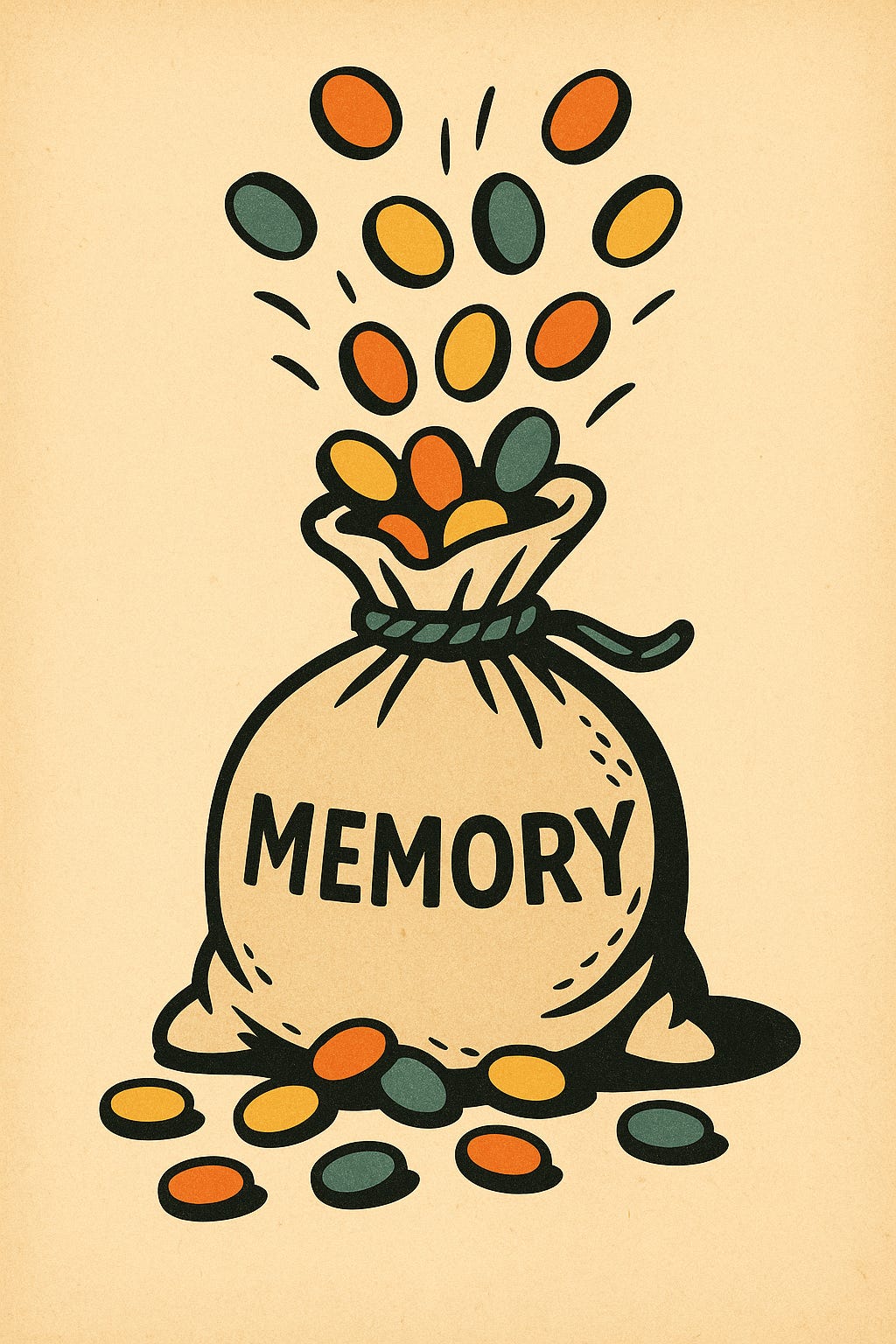
Every AI has a limit to how many tokens it can keep in its working memory called the context window. Once that fills up, older parts of your conversation start to fade away.
It’s like talking to someone who can only remember the last few pages of a book. They’re smart, but forgetful.
For example:
GPT-3.5 can handle around 4,000 tokens (a few pages of text).
GPT-4 can handle up to 32,000 tokens (roughly 25 pages).
Claude 3 can handle up to 200,000 tokens (entire reports).
That’s why long conversations sometimes lose track of details the early parts get pushed out of memory.
Tokens Affect Cost
Most AI services charge by the token. The more tokens you use in both your message and the AI’s reply the higher the cost.
Think of it like sending a text message: every extra word adds to your phone bill. A short prompt costs pennies. A long one can cost dollars.
Even if you’re not paying directly, token usage affects response time and processing costs behind the scenes.
Tokens Affect Speed
Each token takes processing power to handle. The longer your message, the more work the AI has to do.
Shorter, clearer prompts usually mean faster replies. Long, wordy ones slow things down because the AI has to process every little piece like reading an essay instead of a sentence.
But there’s a flip side: if your prompt is too short, the AI doesn’t have enough information to work with. It starts guessing, filling in blanks based on patterns instead of clear direction. That’s when you get vague or off-target answers not because the AI is “confused,” but because you didn’t give it enough context to make a solid prediction.
The sweet spot is in the middle: concise but specific. Give the AI what it needs to understand your goal, but skip the fluff. Think of it like giving directions “Go north three blocks and turn left” works better than “Go somewhere over there” or handing someone a full novel about your trip.
Why Tokens Limit AI’s Understanding
AI doesn’t really “read” or “understand” text it looks at token patterns. It recognizes how words tend to appear together and predicts what comes next. If a conversation is too long or detailed, older tokens fall outside its memory window. The AI can’t “see” them anymore. That’s why it sometimes gives inconsistent answers or forgets earlier details it’s not ignoring you, it’s just run out of space.
Think of tokens as the whiteboard of AI’s mind: once the board is full, it has to erase from the top.
The Different Kinds of Token Systems
Not all AIs handle tokens the same way. Different models have different “tokenization” styles that’s how they decide what counts as one piece of text.
English-friendly models keep common words intact but break up contractions (“can’t” → “can” + “’t”).
Multilingual models adjust for other languages “l’ordinateur” in French becomes two tokens (“l’” and “ordinateur”).
Code-focused models split code more precisely, treating symbols and brackets as their own tokens.
The idea is always the same: the AI wants predictable, reusable pieces it can process quickly and efficiently.
Tokens and the Cost of Creativity
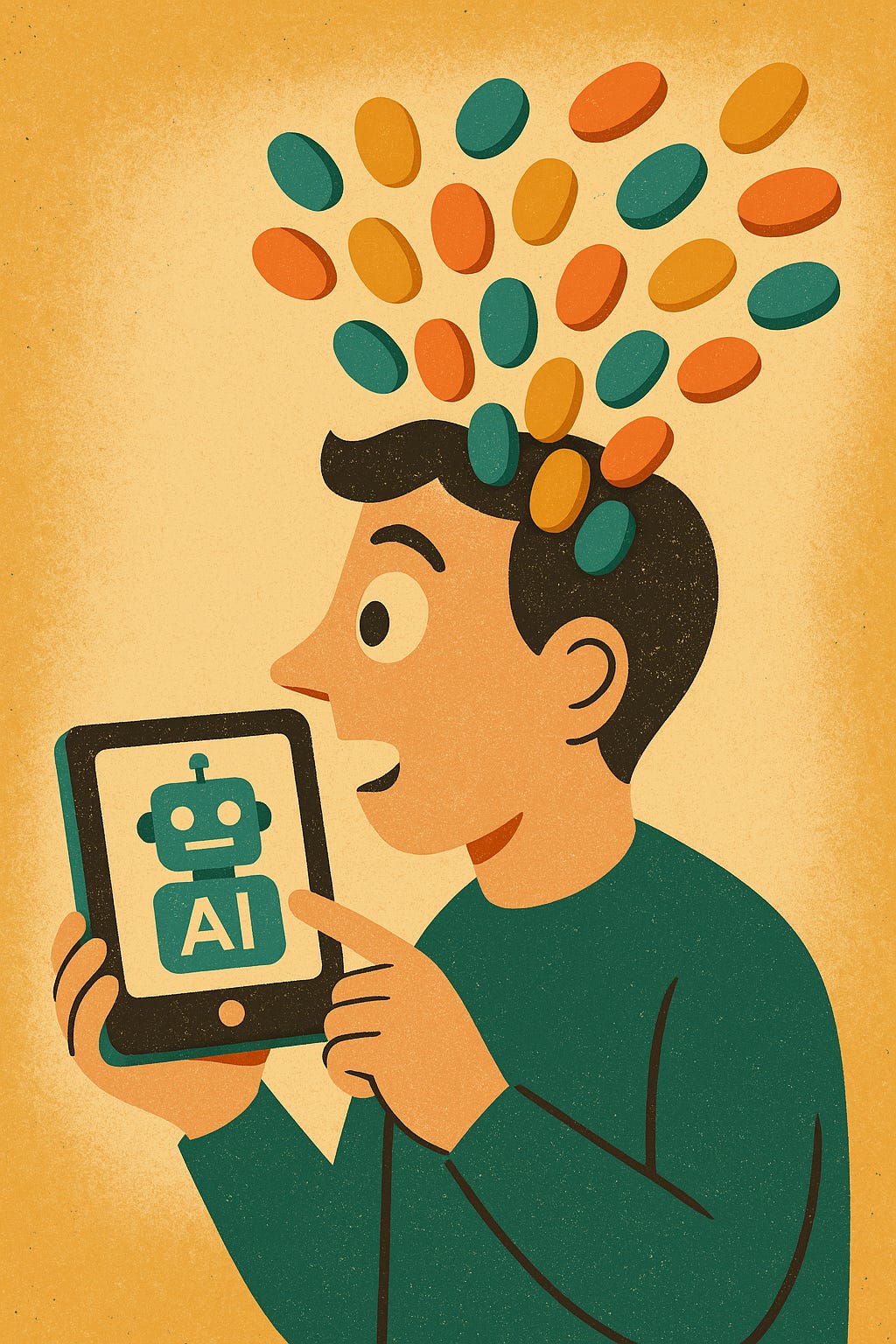
Each token the AI writes is another step in its prediction process. If you ask it for a detailed story or a long explanation, that’s hundreds sometimes thousands of tokens being generated in real time. That’s why creative writing, code generation, or full reports take more time and energy than quick Q&A.
It’s not that the AI is tired it’s just doing a lot of math, one token at a time.
The Future of Tokens
Researchers are constantly working to make AI handle more tokens efficiently. Newer models can read entire books or analyze massive reports in one go. The goal isn’t just bigger numbers it’s smarter use of context. Future systems might dynamically adjust how they spend tokens, focusing on what matters most and skipping the fluff.
In other words, the AI will get better at remembering the right things not just more things.